
Flagship Initiative
Red Cup Project — a billion cups for Africa's digital future.
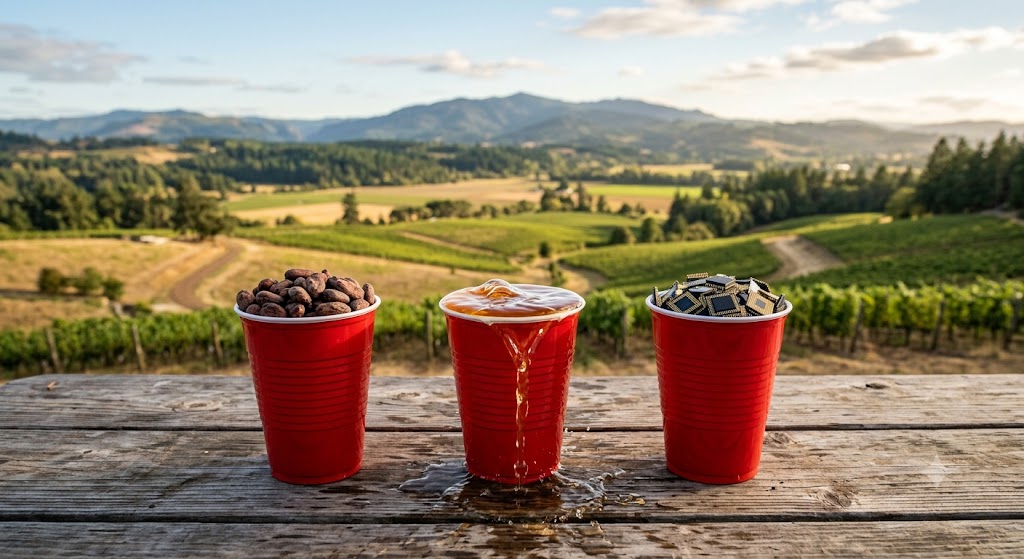
The iconic red plastic cup is a global symbol of celebration, but its environmental legacy is a sobering reality. Made from durable polystyrene, these cups can take 450 years to decompose, breaking down into harmful microplastics rather than organic soil. This cultural staple stands at a critical crossroads: without diligent recycling and aggressive research into eco-friendly manufacturing innovations—like plant-based alternatives—the red cup will continue to endanger the Earth. Ultimately, this universal symbol has the power to change the world for better or for worse, depending on how we reinvent its future.
The Red Cup Project is FOUND Africa Technology's mission to distribute one billion eco-friendly cups — with the net proceeds funding solar-powered digital classrooms and AI literacy for students across Africa.
How it works
Every cup builds a classroom.
The Red Cup Project turns a simple everyday item into a funding engine for education. Each cup contributes to research, infrastructure, and learning programs that reach students in digitally excluded communities.
Eco-friendly cups that feel right
Early funding supports research into sustainable red cups that look and feel like the plastic cups we know — without the waste.
100% to digital classrooms
After the research phase, all net revenue goes to solar-powered, movable digital classrooms in digitally excluded secondary schools.
Research commitment
Re-inventing the cup from the ground up.
FOUND is committing at least 25% of the first $1,000,000 raised to researching how Red Cups can be reimagined to be eco-friendly but still feel and look the same.
Imagine the global impact if significant investment were poured into reinventing how this cultural staple is manufactured, unlocking a future where scientists create a cup that looks and feels exactly like the classic icon. You would still hold that familiar, vibrant crimson shell, enjoying the same crisp, satisfying grip as you raise a frosty drink to your lips. By engineering advanced, plant-based biopolymers to perfectly replicate the durability and insulation of polystyrene, brilliant minds can transform a symbol of pollution into a beacon of sustainability.
This revolutionary redesign would deliver the exact same legendary party experience, but with a cup that harmlessly vanishes back into the earth—proving that red cups truly have the power to change the world for good.
The Science of Re-Invention
Identical Aesthetics
Retains the bold red color.
Familiar Feel
Mimics the sturdy, rigid grip.
Cold Insulation
Keeps drinks perfectly chilled.
Rapid Breakdown
Decomposes harmlessly in months.
Zero Microplastics
Leaves behind only organic soil.
Scientific Innovation
Proves sustainability requires zero sacrifice.
Bioplastics comparison
PLA vs. PHA: The Bioplastics Debate
PLA
Derived from fermented plant sugars
Polylactic Acid is made from corn starch or sugarcane and easily mimics the rigid texture of traditional plastic. It is highly cost-effective, but requires industrial composting facilities to break down. In a backyard bin or the ocean, it behaves like regular plastic.
PHA
Synthesised by bacteria
Polyhydroxyalkanoates are produced naturally by bacteria as an energy reserve. They can be engineered to be as tough and rigid as polystyrene, and they are truly marine and soil biodegradable. If a PHA cup ends up in nature, microbes consume it, leaving behind zero microplastics.
Pilot
5 all-female secondary schools in Ibadan.
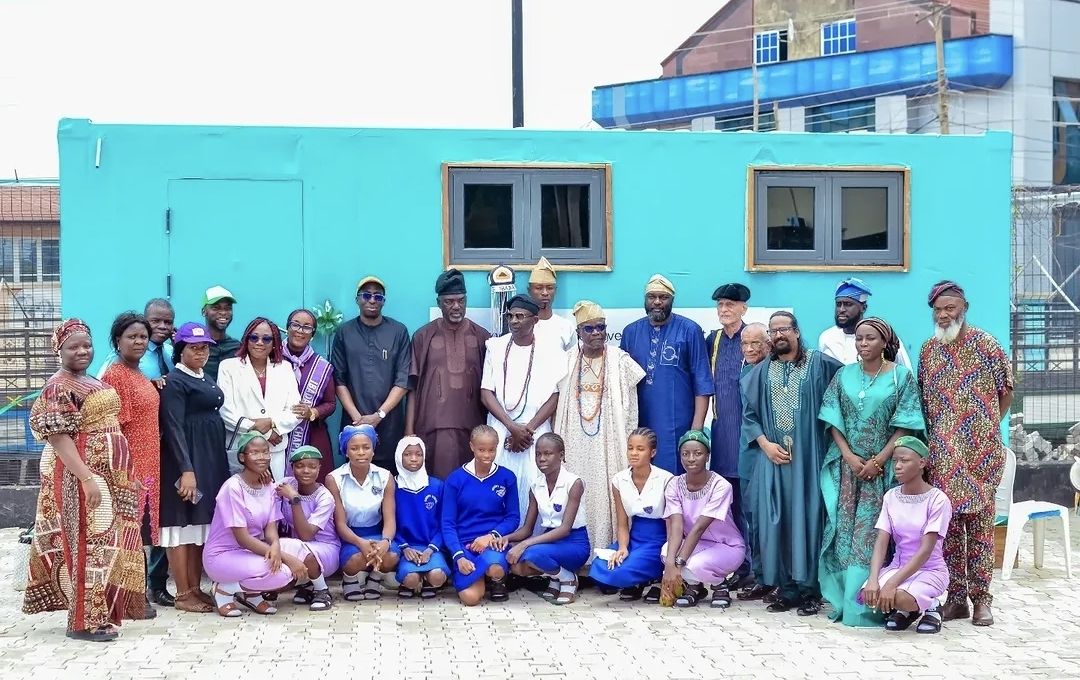
We're starting in Ibadan, Oyo State, Nigeria — in partnership with the Association of Professional Women Engineers of Nigeria (APWEN), Ibadan Chapter, who helped identify and access each school.
Digital classrooms
Set up digital classrooms in 5 all-girls secondary schools in Oyo State, Nigeria.
DOPE learning platform
Provide access to FOUND Africa's gamified learning tracker that makes education engaging.
Training & mentorship
Empower young girls and women with technology training and mentorship programs.
Lasting impact
Create a sustainable model for digital education across Oyo State and beyond.
Partner schools
- Queen School, Apata, Ibadan
- St. Louis Grammar School, Mokola, Ibadan
- St. Anne's Grammar School, Molete, Ibadan
- Yejide Girls Grammar School, Ibadan
- Isabatudeen Girls Grammar School, Ibadan
Stay informed
Follow the Red Cup Project.
Sign up for email alerts and be the first to discover how to participate, receive updates from the pilot schools, and track the classrooms your support helps build.
Red Cup Board
What the Red Cup means to you.
Real words. Real people. One red cup at a time.
The board is open. Be the first to share what a Red Cup means to you.